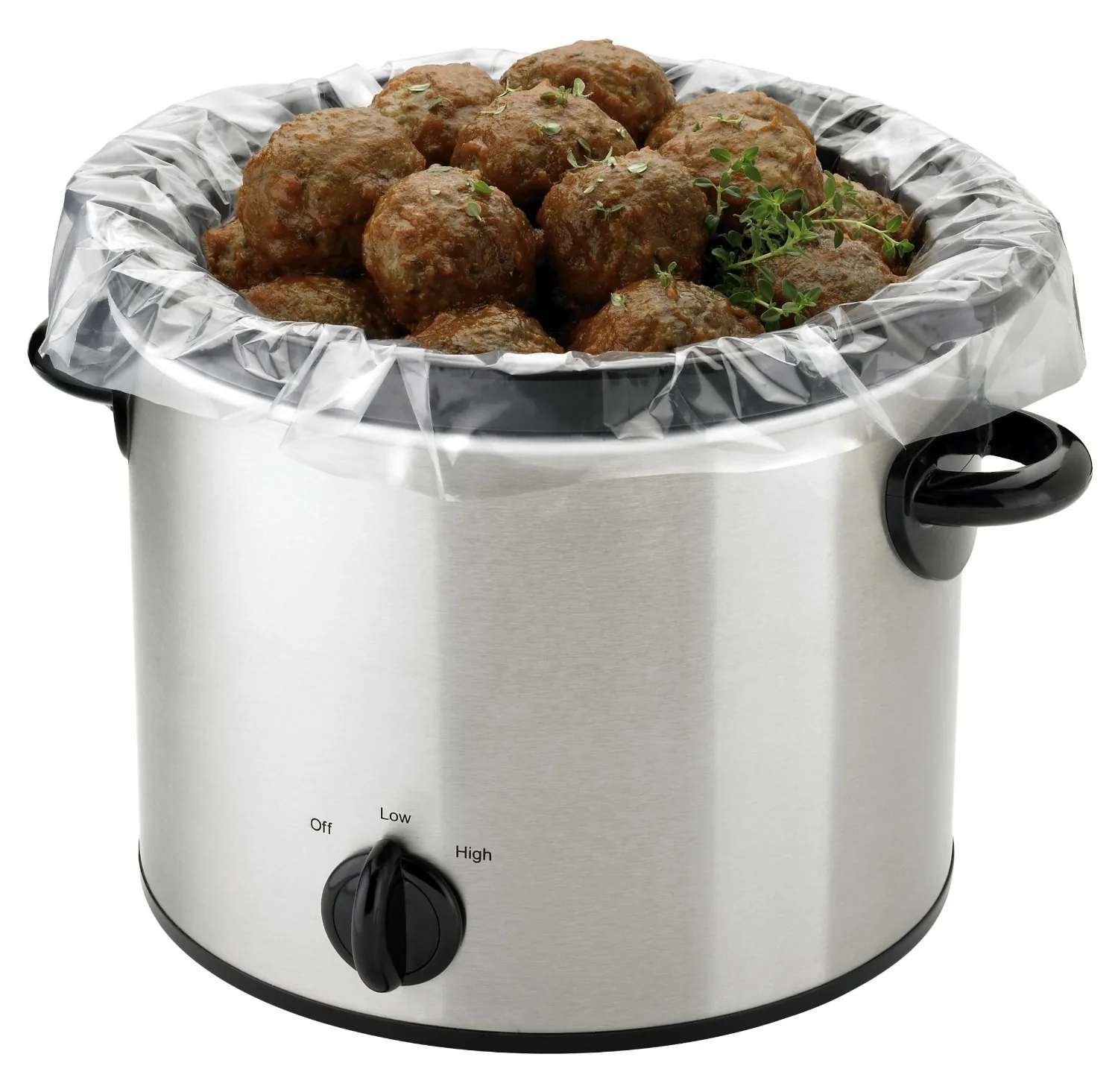
Choosing the right slow cooker involves understanding your cooking habits, comparing features like size and programmability, and considering long-term.
Choosing the right type of slow cookers can be a daunting task. With so many options available in various sizes, functions, and price ranges, it’s easy to get overwhelmed by all the choices. The decision is further complicated when you consider factors like cooking frequency, dietary preferences, and kitchen space constraints.
Common buyer mistakes include focusing too much on brand names or buying based solely on features without considering practical use cases. Another mistake is not understanding the differences between basic models and more advanced ones with additional functionalities such as programmable timers or digital interfaces. It’s crucial to evaluate your needs before making a purchase, rather than being swayed by flashy marketing.
When shopping for slow cookers, there are several key features you should compare:
Size: Slow cookers come in various sizes from 3-quart models suitable for single servings up to large units capable of feeding an entire family. Consider how many people will be eating the meals and whether you need a slow cooker that can handle multiple dishes at once.
Programmability: Some modern slow cookers offer programmable timers, allowing you to set cooking times in advance so your food is ready when you are.
Material quality: The build of the appliance matters. Look for durable materials like stainless steel or high-quality plastic that will withstand daily use without showing wear and tear quickly.
Ease of cleaning: Features such as dishwasher-safe parts can make maintenance easier, especially if you’re short on time after cooking a meal.
Real-world experience with slow cookers reveals both strengths and limitations. On one hand, they are incredibly versatile for preparing soups, stews, roasts, and other hearty meals that benefit from long, slow cooking times without constant attention. They also help in reducing energy consumption compared to using conventional ovens or stove tops.
However, slow cookers have their downsides too. For instance, some models may not be suitable for quick-cooking recipes like stir-fries or sautéed dishes that require high heat and rapid cooking times. Additionally, the lack of precise temperature control can sometimes lead to unevenly cooked meals if you’re not familiar with your specific model’s quirks.
This type of slow cooker fits well in households where convenience is key but may struggle when faced with more demanding culinary tasks requiring quick preparation or exacting temperatures. It excels at making large batches of food that benefit from long cooking times, such as chili, pot roasts, and soups.
However, this product might not be ideal for someone who frequently cooks delicate sauces or needs to prepare meals quickly under time constraints. Individuals looking for high-precision temperature control should also consider other options like pressure cookers or sous vide machines instead of slow cookers.
When comparing with alternative kitchen appliances in the same category, it’s important to weigh the benefits and drawbacks carefully:
Pressure Cookers: These offer rapid cooking times but lack the convenience factor that makes slow cookers appealing for all-day meals.
Multi-Cooker Systems (e.g., Instant Pot): While versatile, they may not provide as much space or capacity for large batch cooking compared to dedicated slow cooker models.
Maintenance and long-term considerations are also crucial. Regular cleaning is essential to ensure your appliance remains in good working order over time. Some materials might require more effort than others to clean thoroughly after each use. Additionally, investing in a higher-quality model could mean fewer replacements down the line despite an initial cost increase.
Is it worth buying a slow cooker if I only cook once or twice a week?
If you’re someone who occasionally prepares meals that benefit from long cooking times and prefer hands-off methods of preparation, then yes—a slow cooker can be quite beneficial. However, for those with more varied culinary needs, other appliances might offer better value.
How do slow cookers compare in terms of energy efficiency to conventional ovens?
Slow cookers are generally considered more energy-efficient than traditional ovens because they use less power over longer periods and don’t require preheating. This makes them ideal for reducing electricity bills while cooking hearty meals that benefit from low-and-slow methods.
Are there any limitations when using slow cooker liners like the PanSaver EZ Clean Liners?
While convenient, slow cooker liners can limit your ability to monitor food closely during preparation since they prevent direct access. Additionally, not all recipes will work well with these types of disposable bags due to their material composition and heat resistance.
Final neutral thoughts: When choosing a slow cooker, it’s important to consider how often you’ll use the appliance and what kind of meals you typically prepare. While slow cookers offer numerous benefits for certain cooking styles, they may not be ideal for everyone or every type of dish. Carefully evaluating your needs against available features will help ensure that whatever model you choose meets both your culinary goals and practical requirements effectively.